
Make sure you have a solid musculoskeletal system
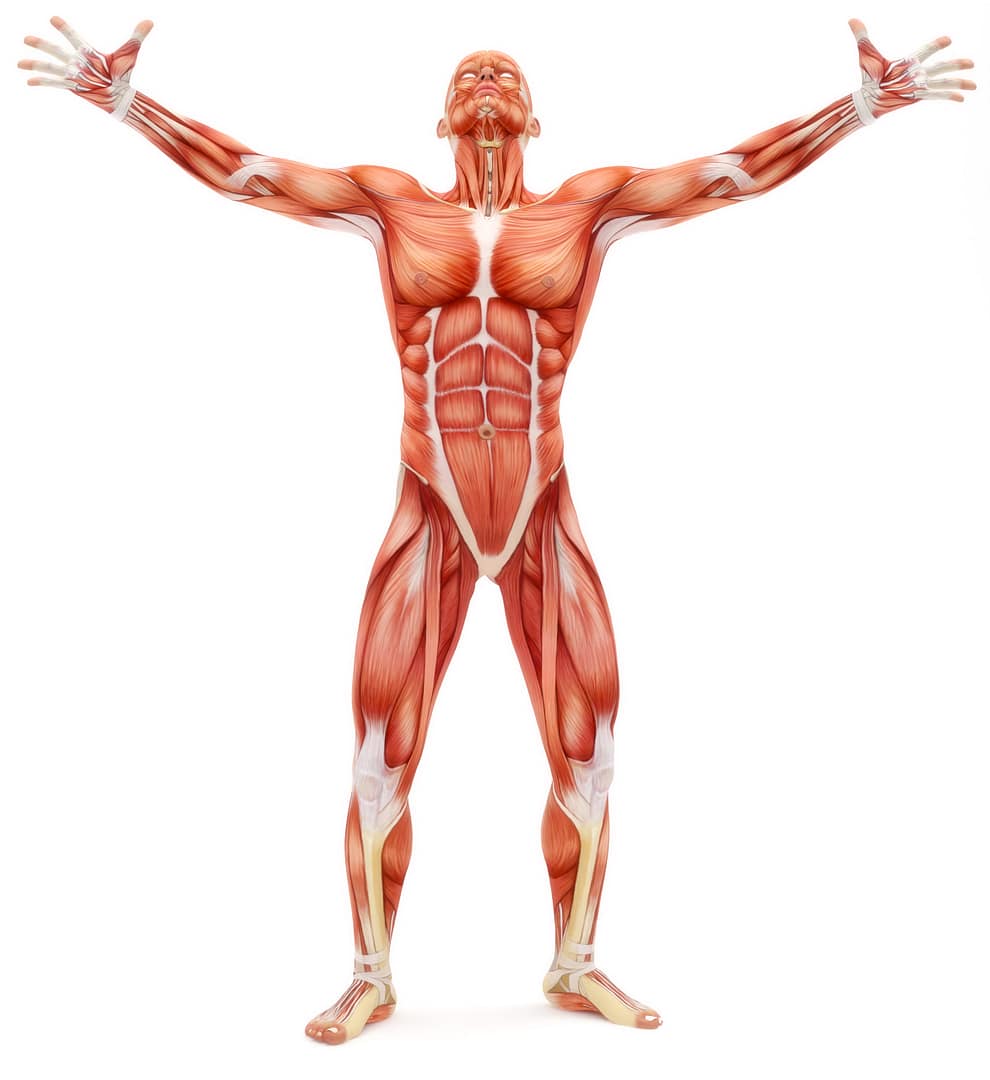
Why is the musculoskeletal system so important?
We often hear that our physical health is particularly important because our body accompanies us throughout our entire life. But what about the musculoskeletal system? We are often told to invest in our health and our body, as this is the best thing we can do. This is certainly true, and I would have missed my calling as a personal trainer if I had a different opinion on this matter.
But what exactly does that mean for you?
What should you do to benefit your musculoskeletal system, and where is the best place to start? In the following article, I explain how valuable proper exercise is, what the musculoskeletal system consists of, and what it can do for you if you treat it properly and responsibly.
What is the musculoskeletal system?
Simply put, the musculoskeletal system is an organ system composed of muscles and bones. This system has the task and function of supporting the entire body, protecting organs, and enabling movement. Function and stability play a major role in this. To better understand the functions of the human musculoskeletal system in the body, we divide it into two categories:
The passive musculoskeletal system:
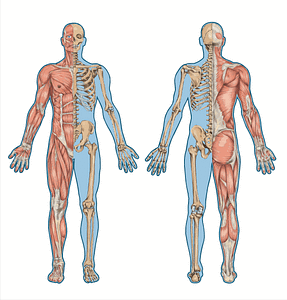
This includes bones, joints, ligaments, and intervertebral discs.
The active musculoskeletal system:
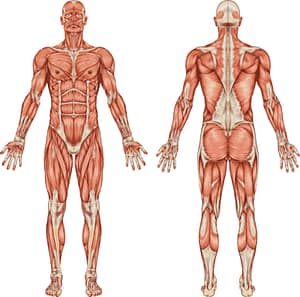
This includes muscles, tendons, and fascia
How do the active and passive musculoskeletal systems differ?
The passive musculoskeletal system:
The passive musculoskeletal system consists of bones that are connected to each other by joints and ligaments. Its function is to provide support and stability. Diseases in this area are therefore all diseases that are broadly related to bones, ligaments, and joints, such as the classic ones, herniated discs, torn ligaments or capsules, osteoarthritis, or osteoporosis, to name just a few.
The active musculoskeletal system:
The active musculoskeletal system consists of muscles, tendons, and fascia, which enclose, hold together, and protect the muscle fibers and muscle fiber bundles like a protective sheath. Diseases or injuries caused by sports are also common here. These include muscle fiber or muscle bundle tears, tendon irritation or overload, and muscle and fascia shortening. Muscular imbalances can of course also be included here.
How dangerous is an injury to the musculoskeletal system?
Well, it's impossible to say in general terms, but simple examples can help you understand the consequences of an injury.
Example 1: Shoulder problems:
Years of incorrect or one-sided training of your muscles can lead to restricted movement in the first step. For example, months of heavy training to build up your shoulder will lead to rapid muscle growth, but without sufficient stretching, this will also cause tension and significant shortening in the shoulder and neck muscles.
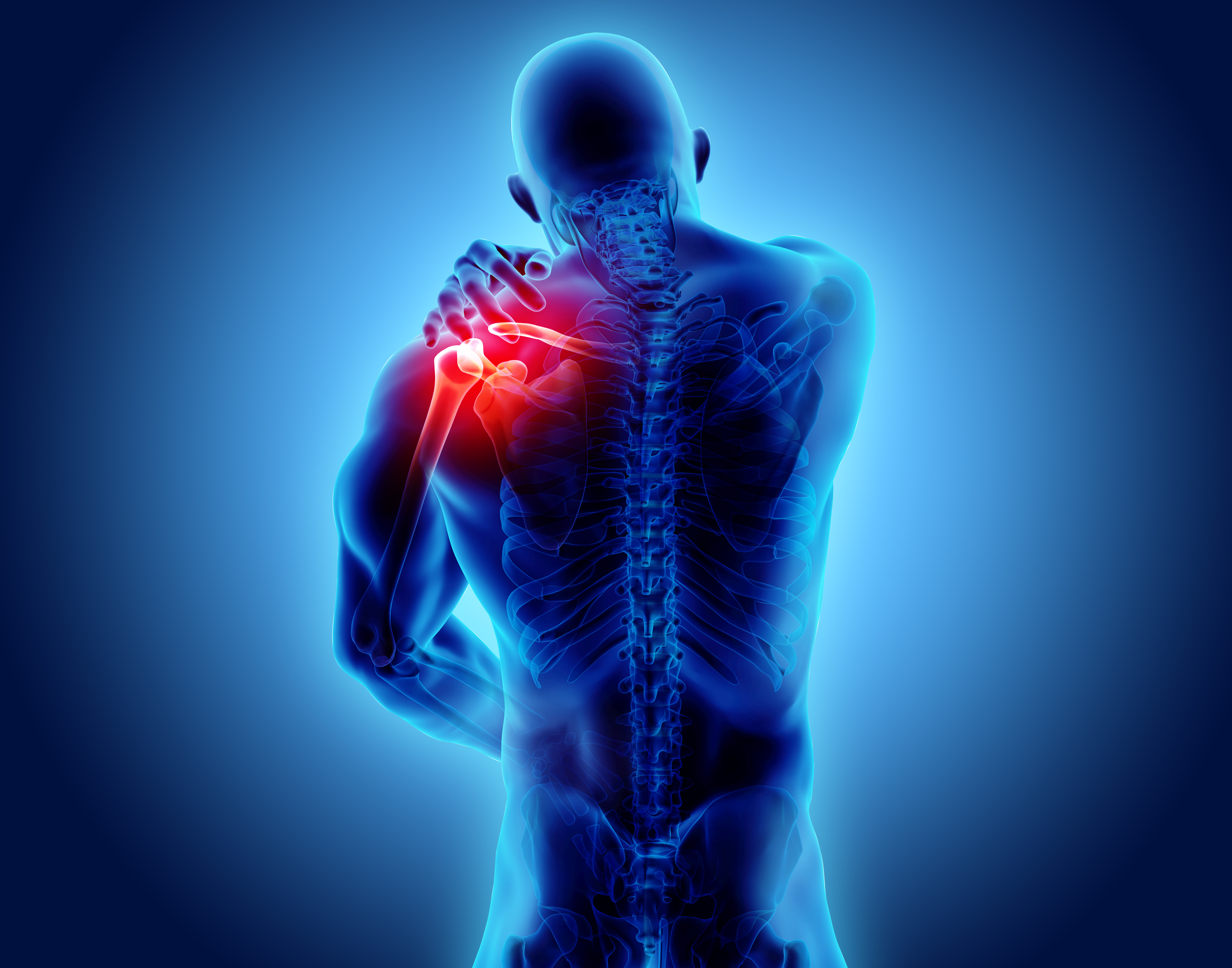
The result can then be a narrowing of the space in your shoulder joint, which, if the strain remains the same, can quickly lead to osteoarthritis and wear and tear on the shoulder joint. This can happen after just a few months of incorrect training, not just after years. This in turn can mean that you are out of action for weeks or months, unable to train or only able to train to a limited extent, and at the same time have to undergo intensive physiotherapy. During therapy, your shoulder girdle is trained so that the muscles around your shoulder, which relieve the shoulder joint and stabilize your shoulder, are strengthened.
Example 2: Problems with the knee or hip joint:
Due to an injury to your ankle joint in childhood, e.g., a torn ligament or tear, the mobility in your ankle joint is restricted. You only notice this in everyday life when you stand for a very long time and experience tension in your leg or back.
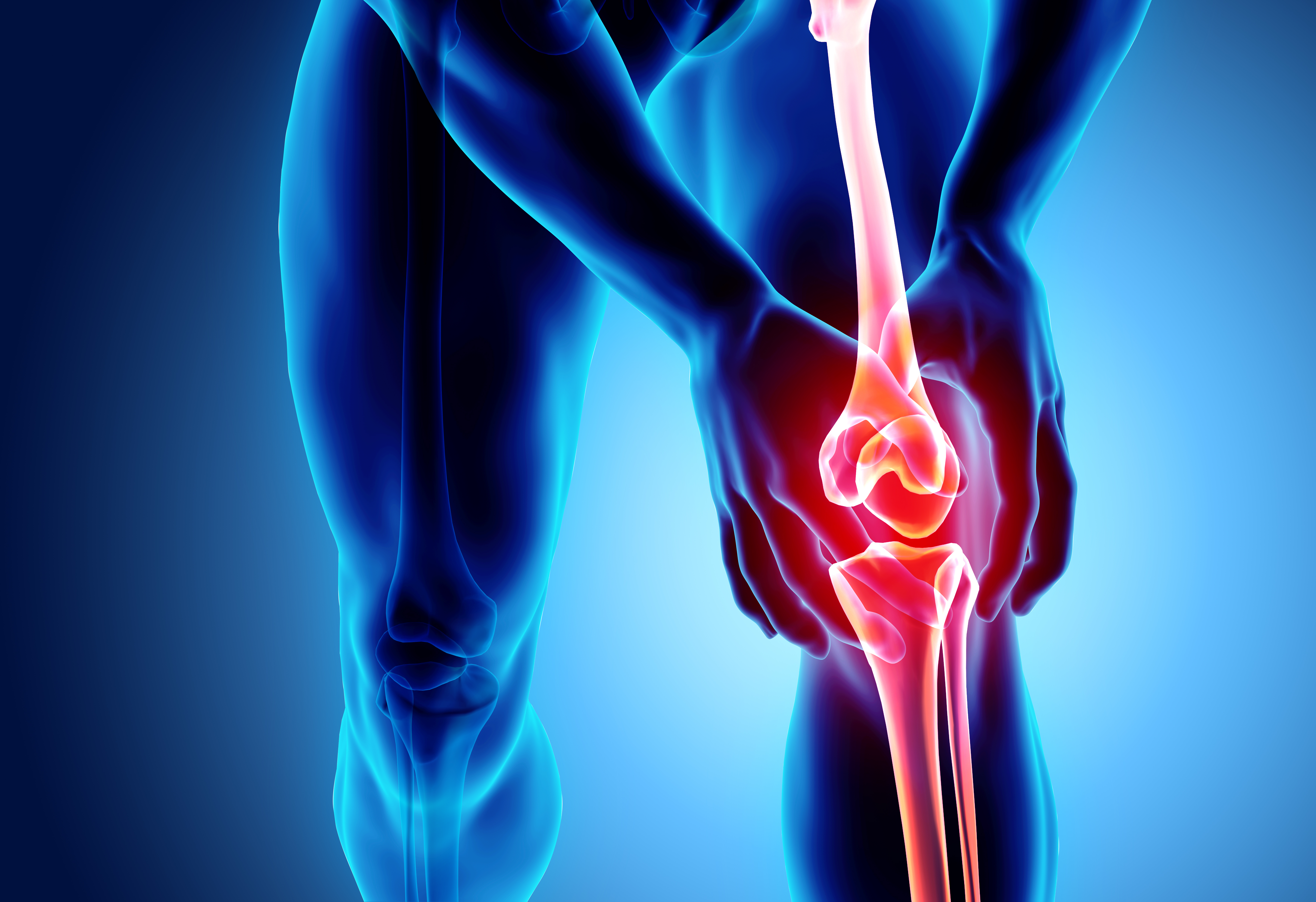
During strength training, especially when squatting, you buckle on the left side due to this restriction of movement. With each repetition in the lower range, your knee buckles slightly inward and your pelvis also tilts slightly, not much but a little. Over the years, this can lead to one-sided wear and tear and the gradual development of osteoarthritis in your hip or knee joint. It's simply due to your limited range of motion!
How can you recognize a poor musculoskeletal system?
We often see the results of a poor musculoskeletal system in older people. But you don't have to be old and use a walker to be affected. Many of the people we are talking about here have a slight hunchback, let their shoulders slump forward, bend strongly inward or outward when walking, and cannot bend down or lift without raising their heels. How about you?
If you want to be fit, healthy, mobile, and pain-free in old age—and by old age I don't mean 80 or 90, but 30 or 40—then do something about it now.
Always remember: a few small stretching movements are enough.
Here are my 5 best tips for a few loosening exercises for your musculoskeletal system:
- Every morning, rotate your arms, shoulders, pelvis, knees, and feet.
- Cat pose and cobra pose twice a day
- Russian squats at least twice a day after standing for long periods
- 10-15 minutes of mobility training before each workout
- 5-10 minutes of stretching exercises every day before bed
Other options for you:
I myself work regularly with a fascia roller. I warm up before every workout, do mobility training, and always do a short relaxation circuit with exercises after training to release tension from my muscles.

It is important that you regularly check or have someone check that everything is running smoothly in your musculoskeletal system. After all, you do the same with your car. If you have any further questions about the musculoskeletal system, pain, or illnesses, please feel free to contact me at any time. I will see what I can do or refer you to my top sports physician, Dr. Michael Marquardt OCS Clinic in Düsseldorf.
Feel free to check out my YouTube video on this topic: https://youtu.be/vPzM8Ke0nDg
See you soon, train hard and smart, Mario